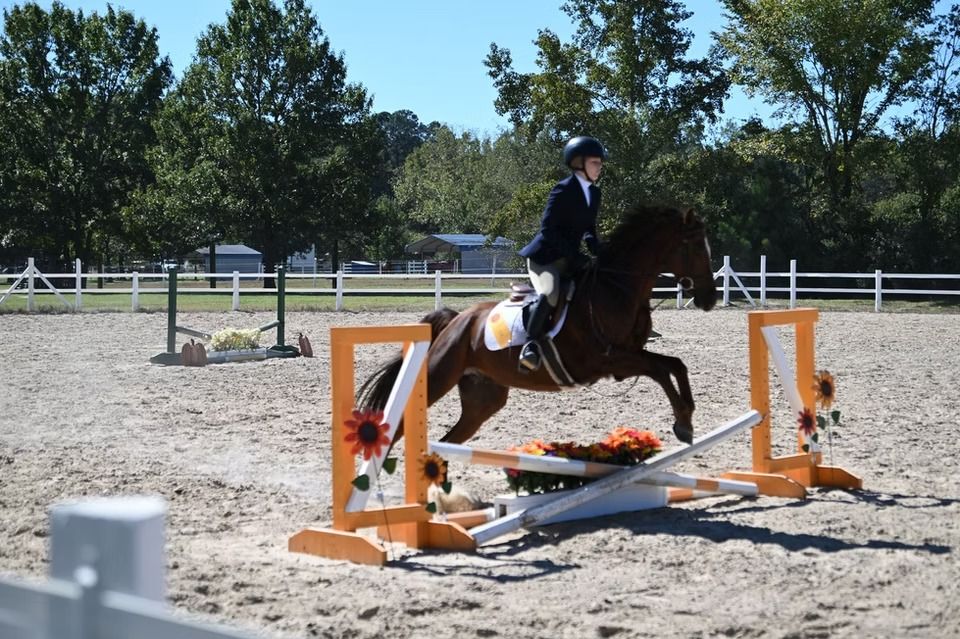
6 Everyday Skills Improved by Horse Riding
Equestrian sport is often viewed as a specialized activity confined to barn life, yet the personal benefits extend far into everyday routines. From enhancing physical coordination to building emotional resilience, spending time in the saddle cultivates a wide array of practical capabilities. Whether taking horseback riding lessons, learning stable management in horsemanship classes, or participating in summer horse camps, riders gain versatile life skills that transfer directly into everyday settings.
Developing these core competencies helps individuals navigate daily routines with greater confidence, adaptability, and composure. Engaging regularly with horses demands acute body awareness, clear communication, and emotional stability. Exploring how horse riding improves vital everyday skills highlights benefits across physical health, mental focus, social communication, personal discipline, emotional strength, and environmental awareness.
1. Enhance Physical Coordination
Mastering movement on horseback requires an acute sense of balance, core stability, and postural alignment. The dynamic motion of an equine partner forces the rider to engage abdominal, back, and leg muscles continuously to maintain equilibrium. Over time, horse riding strengthens core muscles and improves postural habits during routine daily activities like sitting at an office desk or standing for extended periods. Developing finer motor control to hold reins with soft, precise hands enhances dexterity for delicate daily tasks, while quick reaction times developed in the arena sharpen reflexes and overall physical agility.
Engaging major muscle groups builds athletic endurance and overall physical stamina across the legs, hips, and upper body. Regular exertion in equestrian sport promotes long-term fitness, making physically demanding household chores or outdoor recreational activities feel far less exhausting. According to Horses Only, the equine sector contributes $122 billion to the United States economy each year, highlighting the massive scope and influence of the horse community. Riders carry these physical improvements into daily life, enjoying increased energy, better balance, and greater physical resilience against daily strain.
2. Build Emotional Resilience
Engaging in horse riding provides profound psychological benefits that bolster emotional endurance and overall mental well-being. The rhythmic movement of riding offers a peaceful sanctuary from daily stress, allowing the mind and body to relax. Working alongside gentle animals encourages patience, as effective training requires steady repetition, composure, and quiet guidance rather than force. Facing the initial anxiety of guiding a powerful horse builds genuine courage, turning self-doubt into authentic self-confidence that extends into academic, social, and workplace challenges.
Developing an intuitive bond with an equine partner heightens emotional self-awareness and personal empathy. Horses mirror human feelings with incredible accuracy, responding immediately to underlying tension, anxiety, or calm. This dynamic forces individuals to recognize, evaluate, and regulate their own emotional states before attempting to communicate. Learning to maintain emotional composure under pressure fosters psychological resilience, empowering individuals to handle personal and professional stress with grace while developing compassionate, understanding relationships with others.
3. Improve Cognitive Function
Practicing horse riding actively challenges brain function, sharpening mental acuity, memory, and executive problem-solving capacities. Maneuvering an equine partner through diverse environments, trail obstacles, or jump courses demands continuous critical thinking and split-second decision-making. Riders learn to assess complex situations analytically, adjusting their plans dynamically based on feedback from the animal and surrounding terrain. Memorizing intricate riding patterns, safety protocols, and horse care techniques enhances memory retention and cognitive recall, making information processing easier in academic and professional environments.
Managing multiple subtle cues simultaneously develops high-level multitasking abilities that are essential in modern daily life. A rider must adjust posture, maintain leg pressure, regulate reins, scan the arena, and monitor the horse's energy all at once. This intense mental engagement improves concentration and sustained focus, training the brain to filter out distractions even in fast-paced environments. Cultivating keen spatial awareness helps individuals judge distances and relative positions accurately, a skill that proves invaluable when driving or maneuvering through crowded spaces.
4. Foster Social Skills
Participating in horse riding fosters clear non-verbal communication and strong interpersonal skills across various social environments. Riders learn to interpret subtle body language, ear positions, and muscular shifts, conveying clear signals through soft hands and seat pressure. This sensitivity to non-verbal cues translates seamlessly into human interactions, improving active listening and interpersonal understanding. Group activities, such as local horse shows or interactive summer camps, foster meaningful collaboration, teamwork, and supportive peer relationships.
Guiding a large animal encourages natural leadership qualities, self-assurance, and clear decision-making skills. Effective leadership in the saddle requires calm authority, consistency, and mutual respect rather than intimidation or force. These positive attributes empower individuals to step into leadership roles at school, work, or within community projects with authentic confidence. Engaging with the broader equestrian community through horsemanship workshops, horse leasing, or horse boarding creates lasting friendships and expands social networks while building social empathy.
5. Strengthen Discipline and Responsibility
Taking part in horse riding teaches unwavering discipline, consistency, and personal accountability. Maintaining a reliable routine for grooming, feeding, and exercising requires thoughtful time management and structured scheduling. Balancing lesson times, horse care duties, and personal obligations teaches riders how to prioritize tasks efficiently and manage busy calendars. Setting progressive riding goals, such as mastering a new gait or preparing for competition, teaches strategic planning and goal execution, building an internal drive for continuous self-improvement.
Taking full responsibility for another living creature instills deep ethical accountability and personal integrity. Riders understand that their actions and attentiveness directly impact the health, safety, and overall happiness of their equine companion. This sense of duty carries over into daily commitments, fostering personal reliability, punctuality, and strong moral standards. The self-discipline forged through consistent practice empowers individuals to stay focused on long-term objectives even when facing temporary setbacks or challenges.
6. Sharpen Observational Skills
Equestrian training sharpens observational skills, requiring a keen eye for subtle details in behavior, physiology, and physical surroundings. Riders learn to detect minor changes in an equine partner's gait, demeanor, or posture, catching potential health or training issues early. This sharp observational capacity makes individuals more attentive to subtle shifts in workplace dynamics, interpersonal moods, or project details. Heightened environmental awareness develops naturally as riders scan arenas and outdoor trails for potential hazards, enhancing personal safety and situational awareness in everyday settings.
Analyzing physical movement mechanics improves critical evaluation skills and visual information processing. Riders study footfalls, balance points, and athletic form, learning how small adjustments lead to significant performance improvements. Evaluating individual skill progression objectively encourages self-reflection and a healthy growth mindset. Rather than fearing constructive critique, riders learn to assess performance logically, celebrate incremental progress, refine strategies, and solve complex problems with confidence in personal and professional realms.
Regular horse riding offers a comprehensive framework for personal growth, extending far beyond physical exercise or recreational enjoyment. By developing postural strength, emotional stability, mental focus, interpersonal communication, personal discipline, and observational acuity, riders gain life-enhancing competencies that enrich every daily activity. From young camp attendees building baseline confidence to experienced adults refining technical skills, engaging with horses shapes resilient, capable, and thoughtful individuals.
Whether seeking foundational instruction, horsemanship training, or memorable pony birthday parties, engaging with equine companions yields lifelong benefits. Developing these core capabilities in a supportive environment prepares riders for success both in and out of the arena. At Star Ridge Stables, we invite you to join us in discovering the lifelong skills developed in the saddle as we help you achieve your personal equestrian goals.